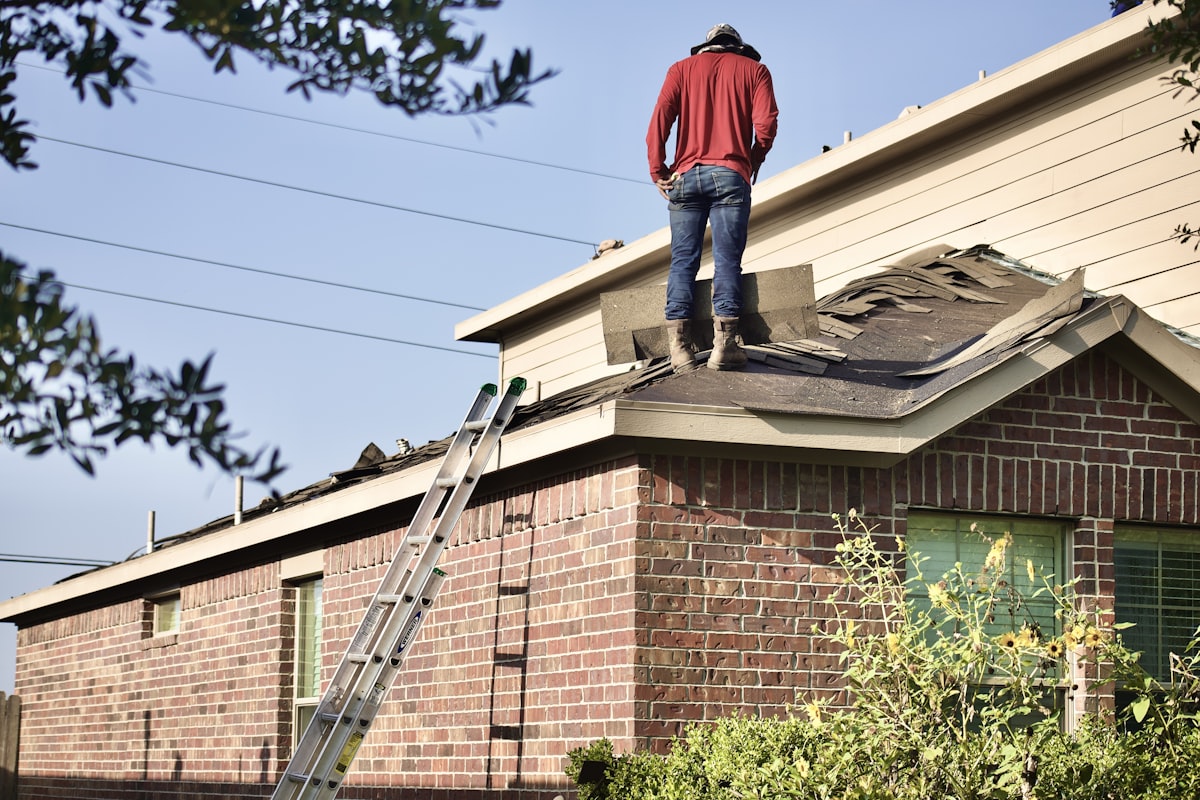
Florida Wind Damage to Your Roof: Insurance Claims and Denial Help
Wind can damage a Florida roof without removing every shingle or leaving an obvious opening. Gusts may lift and crease shingles, loosen fasteners, damage flashing, displace tiles, or expose underlayment. Water may enter later, and the damage may look minor from the ground even when the roof system has lost its ability to shed water properly.
These claims often become disputes over cause, timing, repairability, and scope. The insurer may attribute the condition to age or deterioration. The homeowner may point to a hurricane, tropical storm, tornado, or severe thunderstorm. A successful claim presentation connects the reported weather event to specific physical evidence and the policy language in effect on the date of loss.
What Roof Wind Damage Can Look Like
Different roofing systems show wind effects differently. Asphalt shingles may be missing, lifted, creased, torn, or unsealed. Tile roofs may have displaced or fractured tiles, loosened attachment points, and damage at ridges, hips, and perimeters. Metal panels may be bent, punctured, or pulled away at seams and fasteners. Flat roofs may develop lifted membranes, open seams, or damaged edge components.
Signs worth documenting include:
- Missing, shifted, creased, or broken roofing materials
- Exposed underlayment or decking
- Bent flashing, vents, drip edge, gutters, or soffit
- Debris impact marks and damage concentrated on particular roof slopes
- New ceiling stains, wet insulation, or interior moisture
- Roofing pieces found on the property after the storm
- Temporary tarp or emergency repair areas
- Similar storm damage to fences, screens, trees, or nearby homes
Not every irregularity proves wind damage. Foot traffic, installation defects, thermal movement, aging, and prior repairs can produce overlapping conditions. That is why close photographs, a roof diagram, weather information, and an inspection by an appropriately qualified professional can matter.
First Steps After a Windstorm
Protect people first. Do not climb onto a wet, steep, or unstable roof. Photograph the exterior safely from the ground, then document interior rooms, ceilings, attic areas, and damaged contents. Take wide views and close-ups, and preserve the original date information when possible.
Prevent additional damage with reasonable emergency measures, such as a professionally installed tarp or temporary dry-in. Keep contracts, invoices, receipts, and photographs taken before and after mitigation. Avoid signing a broad repair contract before understanding its price, cancellation terms, insurance-payment provisions, and the contractor’s responsibilities.
Report the loss promptly using the insurer’s designated claim channel. Record the claim number, date and time of notice, the representative’s name, and the description provided. Follow up in writing so there is a clear record.
Building a Strong Florida Roof Claim File
A claim file should show what happened, what was damaged, and what repairs are reasonably required. Useful evidence may include:
- Date-stamped photographs and video from before and after the event
- National Weather Service or other reliable weather records tied to the property area
- Prior inspection reports, permits, maintenance records, and roof invoices
- Drone images or roof photographs identifying damage by slope
- Moisture readings and emergency mitigation documentation
- Photographs of damaged interior finishes and personal property
- An itemized contractor estimate with quantities, labor, materials, and access costs
- Reports from a roofer, engineer, or other qualified professional addressing causation and repairability
- The insurer’s photographs, estimate, consultant reports, and written coverage decision
Preserve removed materials when practical. If emergency work requires removal before the insurer inspects, notify the insurer, photograph every stage, and ask the contractor to retain representative damaged pieces. Do not exaggerate or guess about the date, cause, or extent of damage; accuracy is more useful than broad conclusions.
How the Insurer May Evaluate the Roof
An adjuster may inspect the roof, exterior elevations, attic, and interior. The insurer may also use a ladder-assist company, engineer, roofing consultant, photographs, video, drone imagery, or weather data. Ask who inspected the property and request the detailed estimate and any reports used to make the decision.
Florida Statute 627.70131 generally requires an insurer to provide the policyholder with a copy of a detailed estimate generated by its adjuster within seven days after the estimate is generated. Compare that estimate with the physical damage and a qualified contractor’s scope. Look for omitted slopes, flashing, underlayment, vents, gutters, interior work, debris removal, access, and code-related items.
The declarations page should also identify the applicable deductible. Florida policies may apply a hurricane deductible to qualifying hurricane losses and a different deductible to other wind events. A claim can be accepted but produce no payment if the insurer’s covered estimate falls below the deductible. That is different from a complete coverage denial.
Common Reasons Florida Roof Wind Claims Are Denied
Wear, Tear, or Deterioration
The insurer may conclude that age, heat exposure, maintenance issues, or long-term deterioration caused the roof condition. A useful response addresses the specific observed damage pattern, pre-loss condition, reported wind event, and why the claimed damage is distinct from ordinary aging.
No Storm-Created Opening
Interior rain damage may lead to a dispute over whether wind created an opening. The exact policy language matters. Photographs of displaced materials, openings, debris impact, and the path of water can help evaluate this issue.
Late Notice or Prejudice
Delay can make it harder to determine when damage occurred, especially after repairs or later storms. Report promptly and explain any unavoidable delay with supporting records.
Faulty Installation or Prior Damage
An insurer may cite workmanship, installation, or unrepaired prior damage. Review whether the cited condition actually caused the claimed loss and whether separate resulting damage is treated differently under the policy.
Repair Versus Replacement
The parties may agree that wind caused damage but disagree on whether isolated repairs will restore the roof. Availability of matching materials, brittleness, attachment methods, access, code requirements, and damage distribution may affect the scope. This is an evidence question as well as a pricing question.
Florida Claim Deadlines and Handling Requirements
Florida Statute 627.70132 generally requires notice of an initial or reopened property claim within one year after the date of loss. A supplemental claim generally must be reported within 18 months after the date of loss. For a hurricane, tornado, windstorm, severe rain, or other weather-related event, the statute defines the date of loss by reference to landfall or verification of the weather event by the National Oceanic and Atmospheric Administration.
Do not treat those outer limits as a reason to delay. The policy may require prompt notice, cooperation, emergency protection, records, a signed proof of loss when requested, or an examination under oath.
Florida Statute 627.70131 generally requires a residential property insurer to acknowledge a claim communication within seven calendar days, subject to statutory exceptions. It generally requires payment or denial of an initial, reopened, or supplemental claim, or a portion of it, within 60 days after notice, subject to statutory tolling and factors beyond the insurer’s control. A denial or partial denial should include a reasonable written explanation tied to the policy, facts, or applicable law.
What to Do After a Denial or Low Estimate
Read the coverage letter alongside the complete policy, including declarations and endorsements. Identify whether the insurer disputes coverage, causation, the amount of loss, or all three. Then organize a focused response.
- Request the supporting documents. Ask for the insurer’s photographs, detailed estimate, inspection reports, consultant or engineering reports, and the policy forms relied upon.
- Obtain an independent evaluation. The professional should address damage pattern, cause, repairability, and scope—not simply provide a replacement price.
- Document missing items. Compare estimates line by line and support added work with photographs, measurements, invoices, and technical explanations.
- Submit a written request for reconsideration. Respond to the stated reasons and attach labeled evidence. Say clearly what action is requested.
- Review dispute procedures. The policy may address appraisal, mediation, proof of loss, examinations under oath, or suit deadlines. Appraisal generally concerns the amount of loss and may not decide every coverage dispute.
- Get legal advice before deadlines expire. An experienced Florida property insurance attorney can evaluate the policy, claim handling, expert evidence, and appropriate remedy.
Frequently Asked Questions
Does a roof need missing shingles for a wind claim?
No single visible condition decides every claim. Wind may crease, lift, loosen, or displace materials without carrying them away. Coverage depends on the actual damage, cause, and policy language.
What if the insurer says the roof is too old?
Roof age may affect valuation or the insurer’s causation position, but it does not by itself resolve whether a covered event caused direct physical damage. Review the applicable roof endorsement and document the pre-loss condition and storm effects.
Can I supplement the claim after repairs begin?
A supplemental claim may address additional loss, damage, or costs from the same peril, subject to the policy and Florida’s notice deadline. Report newly discovered items promptly and preserve estimates, photographs, invoices, and damaged materials.
Should I hire a roofer or an engineer?
The right professional depends on the dispute. A qualified roofer can document condition and repair scope. An engineer or other specialist may be helpful when the insurer disputes causation, structural effects, or repairability.
Help With a Florida Roof Wind Damage Claim
Louis Law Group represents Florida property owners in denied and underpaid insurance claims. If your insurer denied wind damage, estimated only a minor repair, or left necessary roof and interior work unpaid, our attorneys can review the policy, evidence, estimate, and deadlines.
Contact Louis Law Group for a free consultation about your Florida roof insurance claim.
This article provides general information, not legal advice. Insurance coverage depends on the specific policy, facts, date of loss, and applicable law.