Published: 2026-02-06
Roof Inspection After Hail Storm in Texas: Complete Guide
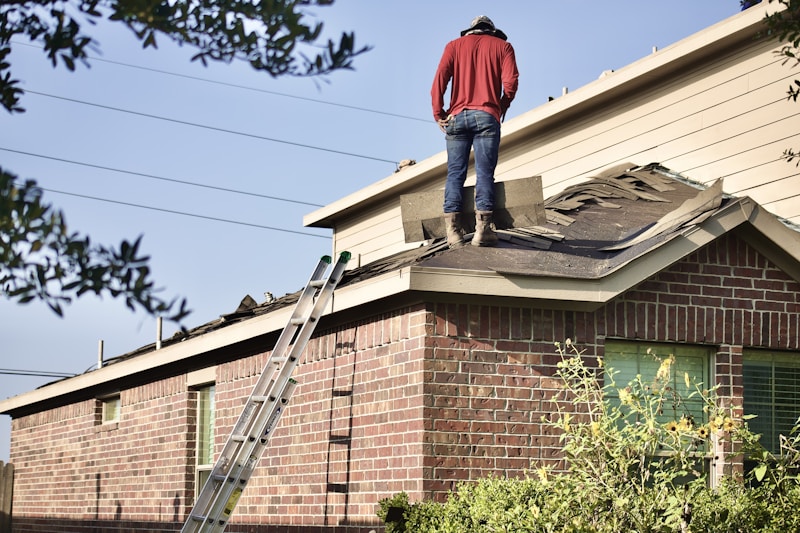
Texas experiences more hail events than any other state, making roof inspections crucial after storms. Knowing what to look for and when to act can save you thousands in repairs and ensure your insurance claim is processed smoothly.
What to Look For After a Texas Hail Storm
Shingle Damage Indicators:
- Bruised or dented shingles with dark spots
- Missing granules exposing the asphalt layer
- Cracked or split shingles
- Soft spots when walking on the roof
Metal Components:
- Dents on vents, flashing, and gutters
- Damaged chimney caps
- Bent or cracked metal roof panels
Other Areas to Check:
- Damaged window screens and siding
- Dented air conditioning units
- Cracked skylights
When to Get a Roof Inspection
Schedule your inspection within 24-48 hours of a hail storm. This allows you to identify potential issues before they escalate, prevent further damage from water intrusion, and document damage for insurance claims while evidence is fresh.
Hiring Professional Inspectors vs DIY
Why Hire Professionals:
- Expertise in identifying subtle damage patterns
- Safety training for navigating roofs
- Thorough examination including hard-to-reach areas
- Documentation that insurance companies accept
If You Inspect Yourself:
- Use proper safety gear (harnesses, non-slip shoes)
- Take clear photos with timestamps
- Never inspect during wet or icy conditions
- Understand that insurance may require professional assessment
Insurance Claim Tips
Document Everything: Photograph all damage from multiple angles, record video walkthroughs, and keep a written log with dates and descriptions.
Contact Your Insurer Promptly: Report damage within 24-48 hours, request your policy limits and deductible information, and get a claim number for reference.
Timeline for Filing Claims in Texas
Texas law generally provides 1-2 years to file hail damage claims, but check your policy for specific timeframes. Acting quickly is always advisable to avoid complications and ensure maximum coverage.